
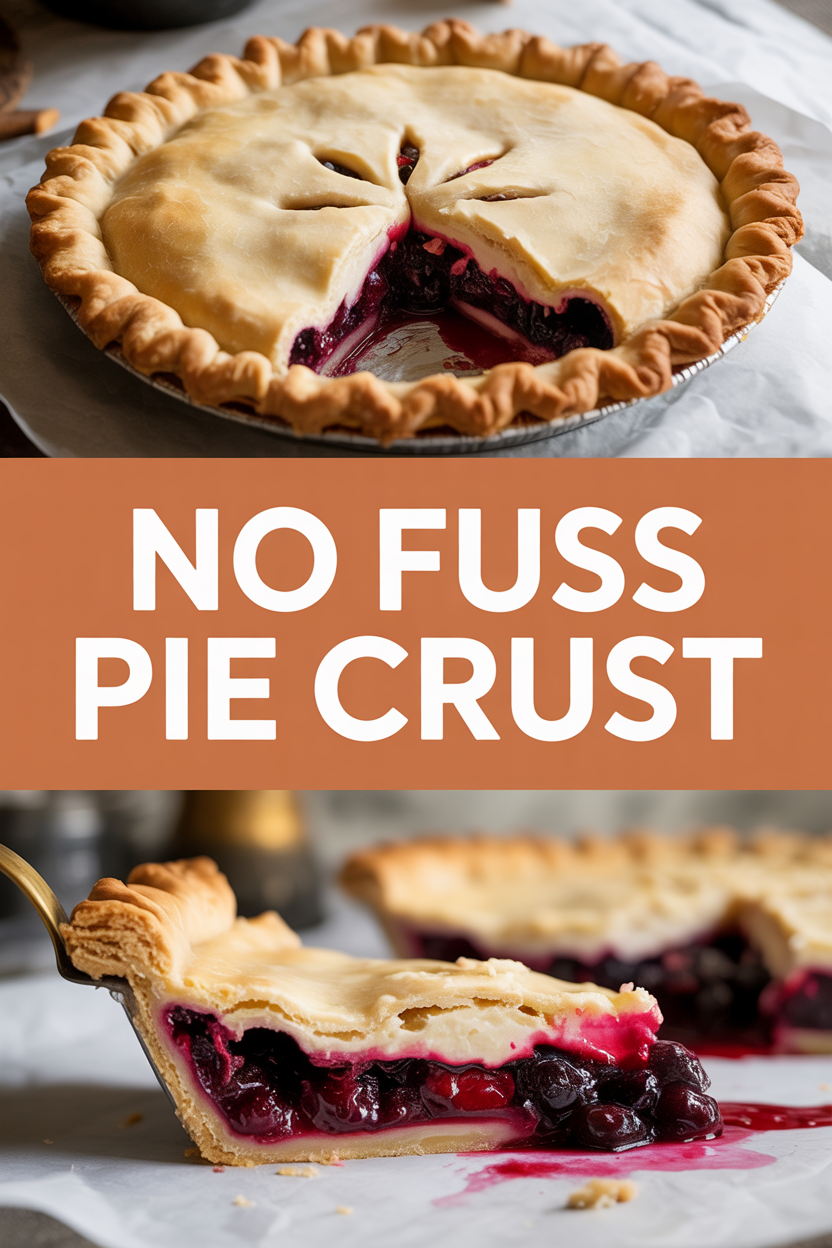
Chef’s Secret: Okay, lean in — I’m about to hand you a tiny kitchen hack that makes store-bought crust look embarrassed. I keep this recipe in my back pocket for everything from tumble-apart apple pie to classically rustic galettes. The secret? A happy balance of **cold butter**, a splash of liquid that keeps gluten mellow (sometimes I use a tablespoon of vodka if I’m feeling fancy), and the gentlest hands you own. You’ll get a crust that flakes under the fork with a buttery smell that fills the kitchen and makes neighbors peek in. No professional tools, no drama — just a simple method that consistently gives golden, flaky results. Ready?
Quick Facts
- Yield: Serves 8 (one 9-inch pie crust)
- Prep Time: 15 minutes active (plus 30 minutes chill)
- Cook Time: 15–20 minutes (blind bake) or bake according to filling
- Total Time: ~45 minutes (including chill; longer if filling bakes)
Why This Recipe is Awesome
Why bother? Because this crust marries simplicity with personality: flaky layers that shatter with a satisfying crunch, a buttery aroma that smells like Sunday mornings, and a texture that holds juicy fillings without turning soggy. It’s so easy that even a nervous baker can follow along and win. Who doesn’t love crispy edges and a tender center? Plus, you don’t need lard, five gadgets, or a culinary degree — just real ingredients and a few friendly techniques.
Ingredients
For the Main Dish:
- 1 1/4 cups all-purpose flour (plus extra for dusting)
- 1 tbsp granulated sugar (optional — for sweet pies)
- 1/2 tsp fine sea salt
- 1/2 cup (4 oz / 1 stick) unsalted butter, very cold and cut into 1/2-inch cubes
- 2–4 tbsp ice water
- 1 tbsp vodka or cold lemon juice (optional — helps tenderize without flavor)
For the Sauce / Garnish (if applicable):
- (Optional) 1 tbsp beaten egg + 1 tbsp cold water for egg wash to get a glossy, golden finish.
How I Make It
Step 1:
Mix the dry: In a bowl, whisk together 1 1/4 cups flour, 1 tbsp sugar (if using), and 1/2 tsp salt. Scatter the cold butter cubes over the flour. Use a pastry cutter, two forks, or even your fingertips to rub the butter into the flour until the mix looks like coarse crumbs with some pea-sized butter pieces. You want those little butter nuggets — they puff and flake in the oven. The mixture should smell faintly sweet and buttery.
Step 2:
Add the liquid: Sprinkle 2 tbsp ice water and the optional 1 tbsp vodka over the bowl. Stir with a fork and add more water, one tablespoon at a time, until the dough just starts to clump — it should hold when you squeeze but not feel wet. Stop when the dough forms a shaggy mass. Overworking makes the crust tough, so play it cool.
Step 3:
Shape and chill: Turn the dough onto a lightly floured surface. Press it together into a flat disk (about 1-inch thick), seal any loose bits, wrap in plastic, and chill in the fridge for at least 30 minutes. Chilling solidifies the butter so the crust bakes flaky and not greasy. While it chills, your kitchen fills with that promising butter scent — cue the happy sighs.
Step 4:
Roll and fit: Lightly flour your surface and rolling pin. Roll from the center out, turning often, until you have a circle about 12 inches across for a 9-inch pan. Loosely roll the dough onto your pin, unroll it over the pie plate, press gently into the corners, and trim to a 1-inch overhang. Fold and crimp the edge however you like — I thumb-press for rustic charm. If the dough tears, press the pieces back together with a little water; it’ll patch right up.
Step 5:
Blind bake or fill: For a pre-baked shell, prick the bottom with a fork, line with parchment, fill with pie weights or dried beans, and bake at 375°F for 15–18 minutes. Remove weights, brush with egg wash if you want that glossy top, and bake another 3–5 minutes until golden. If you fill and bake (apple, berry, etc.), follow your filling’s baking temperature — usually around 375°F to 400°F — and bake until the filling bubbles and the edges turn deep golden.
Pro Tips
- Keep everything cold: Cold butter makes flaky layers. Pop your bowl in the fridge if the kitchen warms up.
- Don’t overwork the dough: Mix until it just holds. Tough crust happens fast if you knead like making bread.
- Use pie weights or dried beans for blind baking: They keep the shell flat and even; otherwise, the edges puff and warp.
- Freeze extra: Roll, fold, and freeze leftover dough flat between parchment sheets for quick future pies.
Common Mistakes to Avoid
- Skipping preheating: Classic rookie move. It changes texture and bake time.
- Overmixing: Leads to dense or chewy results. Mix until just combined.
- Guessing cook time: Always use visual cues or a timer, not just vibes.
- Overcrowding pans: Give your food some breathing room to crisp properly.
Alternatives & Substitutions
- Shortening swap: Use half butter, half vegetable shortening for flakier layers but less buttery flavor.
- Gluten-free: Use a 1:1 gluten-free baking blend; chill a bit longer as GF dough warms faster.
- Dairy-free: Replace butter with chilled coconut oil cubes or a vegan butter. Expect slightly different flavor and a touch less spread.
- Lower-fat: Use 2 tbsp Greek yogurt to replace some water for tenderness (works best in savory pies).
Variations & Tips
- Sweet cinnamon crust: Add 1 tsp ground cinnamon and 1 tbsp extra sugar for berry or apple pies.
- Herbed savory crust: Fold in 1–2 tbsp minced fresh herbs (thyme, rosemary) for quiches.
- Cheesy crust: Add 1/3 cup grated Parmesan for a savory tart base.
- Whole wheat: Substitute up to 1/3 cup whole wheat flour for a nuttier crust.
- Mini hand pies: Roll thinner and cut circles for adorable handheld pastries.
- Decorative twist: Use extra scraps to cut shapes and decorate the top for special occasions.
FAQ (Frequently Asked Questions)
- Can I make this ahead of time?
- Yes! Freeze the disk wrapped in plastic for up to 1 month, or roll, line the pan, and freeze the shell (unbaked) for quick use. Thaw in the fridge overnight before baking. For filled pies, bake completely, cool, and store covered in the fridge for up to 3 days.
- Can I double the recipe?
- Sure thing. Double the ingredients and split into two disks for easier handling. If you double in one bowl, chill the dough a bit longer so it firms up evenly.
- Can I substitute butter with oil?
- Technically yes, but you’ll miss that buttery magic. Use ¾ the amount of oil.
- How do I know it’s done?
- Watch for deep golden edges and a slightly darker base. The crust should sound firm when tapped and flake beautifully when cut. If blind-baking, remove the weights and check that the bottom looks dry and not doughy.
- What if I don’t have ingredient X?
- Short on butter? Use part shortening. Out of vodka? Use an equal amount of cold lemon juice or extra ice water. No pie weights? Dried beans or rice work fine for one bake (don’t eat them afterward).
How I Like to Serve It
I love this crust with a hot slice of cinnamon apple pie and a scoop of vanilla ice cream for fall evenings. For brunch, I use it as the base for a spinach-and-feta quiche with a crisp salad. It shines at potlucks — people rave at first bite. In summer, fill it with lemon curd and fresh berries for a bright, sunny dessert.
Notes
- Store leftover baked pie tightly covered in the fridge for up to 3 days. Reheat slices in a 350°F oven for 8–10 minutes to revive crispness.
- If you make quiche or a meat-filled pie, ensure the filling reaches 165°F for food safety.
Final Thoughts
Closing: Now go impress someone — or just yourself — with your homemade masterpiece! Remember: keep your hands cool, your butter colder, and enjoy that incredible buttery smell. You’ve got this.